Showing posts with label Urdu. Show all posts

Saturday, August 26, 2017

یونیورسٹیز میں ایڈمشن کے لئے چند انتہائی اہم نکات


عام طور پر میڈیکل کے طلبہ سمجھتے ہیں کہ میڈیکل میں ایم  بی بی ایس، ڈی وی ایم، بی ڈی ایس اور فارما ڈی کے علاوہ آپشنز نہیں۔ جبکہ انجینرنگ کے طلبہ بھی متعدد اہم ڈگریوں اور ان کے سکوپ سے بے خبر ہو تے ہیں۔ اور بعض اوقات کئی نہایت ہونہار طالبعلم معلومات نہ ہونے کی وجہ سے تعلیم آگے نہیں بڑھا سکتے یا  ایک اچھی ڈگری میں داخلہ نہیں لے پاتے۔


 ذیل میں مختلف ضروری معلومات کے ساتھ یہ بتایا گیا ہے کہ انٹرمیڈیٹ کے طلبہ کے لیے کیا کیا آپشنز موجود ہیں۔ پوسٹ کو آخری سطر تک پڑھنا مفید ہوگا کیونکہ یہ پوسٹ آپ کے مستقبل سے متعلق ہے۔ داخلہ لیتے وقت چند باتوں کو ملحوظ رکھیں۔
1۔ پرائیویٹ یونیورسٹیز پر سرکاری یونیورسٹیز کو ہمیشہ ترجیح دیں۔ خواہ آپ پرائیویٹ یونیورسٹی کے اخراجات اٹھا سکتے ہوں کیونکہ سرکاری یونیورسٹیز کا متبادل کبھی بھی پرائیویٹ سیکٹر نہیں ہو سکتا۔
2۔ کوشش کریں کہ آپکا ایڈمیشن یونیورسٹی کے مین کیمپس میں ہو۔ سب کیپمس میں داخلہ ہرگز نہ لیں البتہ  پنجاب یونیورسٹی ، زرعی یونیورسٹی فیصل آباد اور یو ای ٹی کے سب کیمپسس ایچ ای سی کے معیارات پر پورے اترتے ہیں۔ ایچ ای سی نے متعدد سب کیمپسس بند کر دیے ہیں کیونکہ ان کے پاس مقررہ معیار کی  فکیلٹی اور انفرا سٹرکچر موجود نہیں۔
3۔ مرجنگ ڈگریز کی طرف نہ جائیں۔یورپ کو دیکھ کر ہمارے ہاں ایسی ڈگریاں متعارف کروائی گئی ہیں جن میں ایک سے زیادہ شعبوں اور کورسسز کو مرج کر دیا گیا ہے۔فی الحال پاکستان میں ان کا سکوپ نہیں۔


4۔ میڈیکل کے طلبہ ٹیکینکل فیلڈز کا انتخاب کریں۔
5۔ بڑے شہروں میں موجود یونیورسٹیز کا میرٹ بھی عموما زیادہ ہوتا ہے۔ دوسرے شہروں میں یا دور دراز قائم یونیورسٹیز کے بارے میں بھی معلومات حاصل کریں۔ لیکن  کسی بھی شہر میں امن و امان کی صورتحال کو بھی ضرور مد نظر رکھیں۔
6۔ ایسی یونیورسٹیز سے اجتناب کریں  جہاں پر تعلیم سے زیادہ سیاست کا رنگ ہو۔
7۔ بلوچستان کے سٹوڈنٹس کے لیے پاکستان کے ہریونیورسٹی میں مخصوص داخلہ کوٹہ اور سکالرشپس بھی ہیں. اورپنجاب کی یونیورسٹیز میں ہر ڈیپارٹمنٹ میں بلوچستان کے ایک سٹوڈنٹ کو فری تعلیم دیجاتی ہے.
8۔ ایسا پروگرام چنیں جس میں ترقی کے امکانات زیادہ ہوں ۔
9۔ آج کل مختلف ملکی اور غیر ملکی ادارے سکالرشپس بھی آفر کرتے ہیں۔ جن سے فائدہ اٹھانا چاہیے۔
10۔ بیرون ملک  تعلیم بھی ایک آپشن ہے۔ اور وہاں کے  اخراجات نھی بعض اوقات طلباء خود ہی برداشت کرنے کے قابل ہو جاتے ہیں کیونکہ کئی ممالک میں پارٹ ٹائم کام کرنے کی اجازت بھی مل جاتی ہے۔
11۔ اچھی طرح تسلی کر لیں کہ جس یونیورسٹی میں آپ داخلہ لینے جا رہے ہیں۔ وہ یونیورسٹی،  اور یونیورسٹی کا وہ کیمپس اور یہ ڈگری پروگرام متعلقہ اداروں جیسا کہ ایچ ای سی، پی ای سی  یا پی ایم ڈی سی وغیرہ سے منظور شدہ ہے۔

Saturday, October 22, 2016

How to get Pakistan Sehat Card? Details and Requirements for Health Card

health-card
Pakistan Health Card aka Sehat Card has been launched in Pakistan for provision of health facilities to common poor people in a respected way. 

Health/ Sehat Card can be used for treatment of any disease that requires the patient to be admitted in the hospital . This health card scheme would enable the entitled poor patients’ access the public and private panel hospitals, even for the treatment of Cancer (Chemo, Radio, Surgery), Heart Diseases (Angioplasty/bypass), Organ Failure (Liver, Kidney, Heart, Lungs), Hepatitis/HIV, Diabetes, Kidney Diseases, Dialysis, Pregnancy/ Maternity Services (Normal Delivery/ C-Section), Fractures, injuries and burns.

Currently, people who are living in 23 priority districts and earn less than Rs.200 a day (according to BISP Survey), are the beneficiaries of PM National Health Program.

How to get Pakistan Health Card?

SMS your CNIC number to 8500 and check your eligibility in the program. 
In case you have been declared eligible, you can receive your Pakistan Health Card from the card distribution center in your district.

What is covered under this health scheme?

A family can use up to 250,000 PKR for priority health care services and 50,000 PKR for secondary health care services. Family can benefit from the card till cash limit is available. The scheme would enable the patients' access to public and private hospitals. The limit of medical cover will be up to Rs 0.3 million; however, on exhaust of limit, the treatment would be completed with the financial assistance from the Bait ul Maal 
In case of indoor treatment, the patient is given 350 PKR as transport fare. This facility can only be availed thrice in a year.

Important Points

Bring Pakistan Health Card, Original CNIC and Form-B (only in case of children) while visiting a panel hospital for treatment.
Only indoor treatment (i.e. when you are admitted in the hospital) is covered in this scheme.
If you have any question! Call 0800-09009


Saturday, February 6, 2016

List of Languages in Pakistan


Urdu is national language of Pakistan. Urdu and English are official languages of Pakistan, however Supreme Court of Pakistan has ordered the government to make Urdu as sole official language and eliminate English. Punjabi, Sindhi, Pashto and Balochi are provincial languages. And there are many other regional languages. Majority of the Pakistani Muslims can also read Arabic, as Muslims recite Holy Quran which is in Arabic language. Some students also study Arabic in Schools, Colleges and University level.
Majority of the Pakistani people can speak or at least understand more than one language. Urdu is the first language of only about 8 percent Pakistanis but it is widely spoken and understand by most of the Pakistanis.

Major Spoken Languages in Pakistan

Punjabi is the largest language by number of speakers with about 44%. Other major languages are Pashto (15%), Sindhi (14%), Saraiki (10%), Urdu (8%) and Balochi (4%). Speakers of other languages are about 4% of the total population. Some experts say that Saraiki and Hindko are dialects of Punjabi while according to some other these are separate languages. Saraiki was included in Punjabi in 1951 and 1961 census. This chart is based on the number of speakers with first language.

pakistani-languages

List of all Spoken Languages in Pakistan

Following languages are spoken in Pakistan.

Languages in Punjab Province

Punjabi
Saraiki
Pothohari
Hindko
Haryanvi
Pashto
Bagri
Urdu

Languages in Sindh Province

Sindhi
Urdu
Saraiki
Gujarati
Dhatki (Thari)
Pashto
Marwari
Kathiawari
Balochi
Kutchi
Od (Odki)

Languages in Khyber Pakhtunkhwa (KPK) Province

Pashto
Hindko
Khowar (Chitrali)
Kalami
Saraiki
Kohistani
Kalasha
Pahari
Torwali
Palula
Kashmiri
Ushoji
Domaki
Wakhi
Bateri
Kundal Shahi
Persian
Dameli
Kalkoti

Languages in Balochistan Province

Balochi
Brahui
Pashto
Saraiki
Sindhi
Dehwari - Persian
Makrani
Hazargi - Persian
Dari

Languages in Azad Jammu and Kashmir (AJK)

Kashmiri
Pahari
Mirpuri
Pashto
Hindko
Punjabi
Gujari or Gojri
Urdu

Gilgit Baltistan

Balti
Shina
Gujari
Kashmiri
Badeshi
Burushaski

It is my effort to enlist all the languages spoken in Pakistan. If you find any mistake in it, please play your role and mention the correct information in the comments.

Wednesday, August 6, 2014

Nishan-e-Haider Holders List and Pictures with Names in Urdu

Nishan-e-Haider is the Highest Military Award of Pakistan. Nishan-e-Haider means “Emblem of Haider”, where Haider is the epithet of Hazrat Ali and means Lion. Nishan-e-Haider was established on 16 March 1957; however it was applied from the date of Pakistan's independence on 14 August 1947.

Nishan-e-Haider is made of gun metal, captured from the enemy in the previous wars, with a green ribbon and a star with five points is awarded to soldiers who show great bravery and courage in war or on active duty. All recipients of "Nishan-e-Haider' gave away the most valuable thing they had - their lives – in serving the nation and in defending the frontiers of Pakistan. 


Some Facts about Nishan-e-Haider

Nishan-e-Haider
  1. It is named after the name of Hazrat Ali (R.A), fourth caliph of Islam.
  2. Gun metal used for its manufacturing, is captured from the enemy in the previous wars.
  3. It is only awarded to personnel of Armed Forces of Pakistan, without any discrimination of rank.
  4. So far total 10 Nishan-e-Haider awards have been awarded, to 7 officers and 3 soldiers.
  5. Nine Nishan-e-Haider recipients have been from Pakistan Army and one from Pakistan Air Force.
  6. All the 10 recipients got this award for fighting against India.
  7. One Nishan-e-Haider was awarded for the 1948 war, one for 1958, one for 1965, five for 1971 and two for 1999 Kargil War.
  8. Nishan-e-Haider is only awarded posthumously (awarded only to those armed forces personnel who have lost their lives, fighting with the enemy or performing their duty).
  9. Hilal-e-Kashmir (posthumous) is declared as equivalent to Nishan-e-Haider by Government of Pakistan.

Here is a brief account of these men, who would be remembered for their feats of courage, bravery and selflessness.

1. Captain Muhammad Sarwar Shaheed

Punjab Regiment
Date of Shahadat : 27th July 1948

2. Major Tufail Mohammad Shaheed

Punjab Regiment
Date of Shahadat : 7th August 1958

3. Major Raja Aziz Bhatti Shaheed

Punjab Regiment
Date of Shahadat : 10th September 1965

4. Pilot Officer Rashid Minhas Shaheed

Pakistan Air Force
Date of Shahadat : 20th August 1971

5. Major Shabbir Sharif Shaheed

Frontier Force Regiment
Date of Shahadat : 6th December 1971

6. Sowar Muhammad Hussain Shaheed

Armoured Corps
Date of Shahadat : 10th December 1971

7. Major Muhammad Akram Shaheed

Frontier Force Regiment
Date of Shahadat : 15th December 1971

8. Lance Naik Muhammad Mahfuz Shaheed

Punjab Regiment
Date of Shahadat : 17th December 1971

9. Captain Karnal Sher Khan Shaheed

Sind Regiment
Date of Shahadat : 7th July 1999

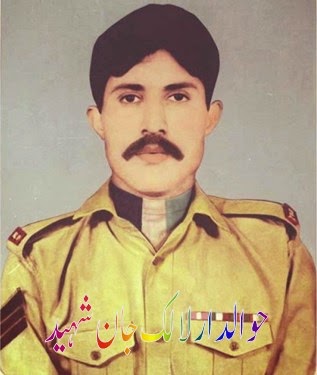
10. Havildar Lalak Jan Shaheed

Northern Light Infantry
Date of Shahadat : 7th July 1999

Naik Saif Ali Janjua

Azad Kashmir Regiment 
Date of Shahadat : 26th October 1948
He was awarded Hilal-e-Kashmir - an equivalent to Nishan-i-Haider.

Hilal-e-Kashmir

On 14 March 1949, the Defence Council of Azad Jammu and Kashmir adorned Naik Saif Ali Janjua Shaheed with Hilal-e-Kashmir (posthumous) and on 30 November 1995, the Government of Pakistan initiated the gazette notification to declare Hilal-e-Kashmir equivalent to Nishan-e-Haider.